How To Write Sales Copy – Words That Persuade
How To Write Sales Copy: The Power To Persuade

If youu2019re in business, (and you want to stay in business), then you have to achieve two things constantly:
1. You have to let people know youu2019re there and what your business does and …
2. You have to somehow persuade enough of them to do business with you.
In the very early days of advertising, simply putting up a sign or even buying some space in a newspaper with little else in it apart from the name of your business was good enough.
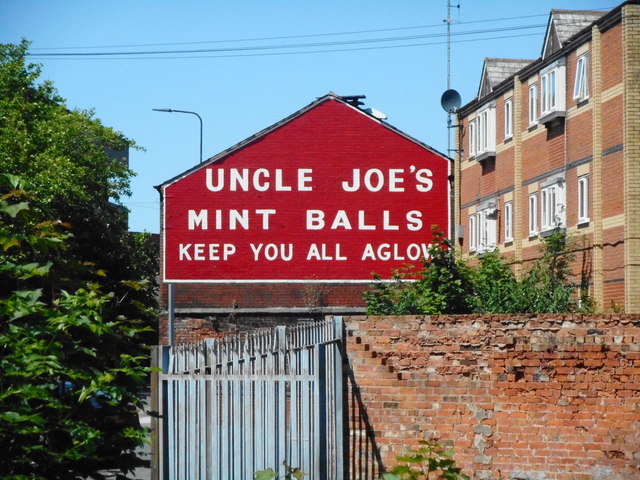
“Uncle Joe”s Mint Balls,” with perhaps an eye catching image to draw some attention would get you enough mint ball sales to keep you going.
That’s just information, but it’s not persuasive, is it?
Considering that it’s simplicity itself these days to get your name out there, let’s focus in this article on the second of those requirements, the art of persuasion.
It makes me personally queasy if I think I’m required to manipulate or somehow deceive someone into buying something – even if that something is my own product and I passionately believe in it!
I hate being on the receiving end of that kind of pressure too, and I’m sure I’m touching the same nerve as when anyone says, “I hate selling!”
What they – we – mean, I’m sure, is that we hate manipulating or deceiving people to do something they wouldn’t ordinarily do.
But suppose Uncle Joe’s Mint Balls are really nice. What if we do believe in the product and we think they’re good value and that just about everyone should at least try some?
Well, here’s the joy of it.
I think we’d all pretty much agree that simply saying, “Try some of these mint balls, they’re nice,” wouldn’t be very persuasive, unless your customers were aged around three. (A good market, but not usually credit card carriers!)
And the reason for that is that “nice” isn”t emotive enough.
Nobody can picture what “nice” looks or feels like inside their head! “I had a nice sleep.” “It’s a nice sunset.” “Mrs. Jones the grocer’s wife is a very nice woman.”
Bleaaagh!
Those maybe fine in conversation, but they won’t work in advertising!
Let’s go a little stronger.
How about, “Try some of these mint balls, they’re delicious!”
That gets a bit closer, doesn’t it?
Still not brilliant, but at least “delicious” is usually applied to a taste sensation, (not always, I know), and we can begin to relate to other experiences of minty things that have tasted delicious.
What if we changed the slogan to, “Try some of these mint balls, they’re pure enjoyment!”
Now, this is becoming more a matter of opinion, but I suspect for some readers that may move the needle a bit more. That’s because, for many of us, “pure enjoyment” isn’t a phrase we’d usually associate with a sweet (candy). It takes us to other realms.
Let’s try one more. This time we’ll change the wording around.
“Uncle Joe’s Mint Balls. Try a little self-indulgence for a change.”
Now we’ve entered the realms of treating ourselves and the phrase, “for a change” subtly embeds the idea that eating the mint ball represents a less-than-common behaviour. This isn’t boring food you’d eat every day, this is self indulgent and it “makes a change.”
The key principle is the pictures you can get people to paint, the emotions you can get them to revive inside their own minds.
And that way, you’re not deceiving or manipulating. You’re using words and they sell to themselves.
I have one more key idea for you:
Understand that no matter if itu2019s a mint ball or coaching or anything at all, ultimately what your customers want is a result – and they want that result because they believe it will make them feel better than they do right now.
When you can know what that feeling is and use the right words to tap into it, youu2019ll have discovered the true power of using words to persuade.
Get This Free Report…
Join my “Effortless Wise Marketing” Facebook group where I lift the lid on many marketing ideas to make them effortless and effective. This FREE pdf is waiting for you inside.
Once inside, look for this post: